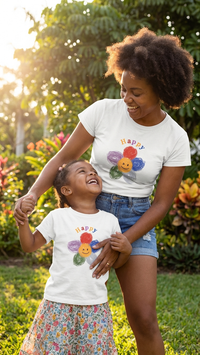
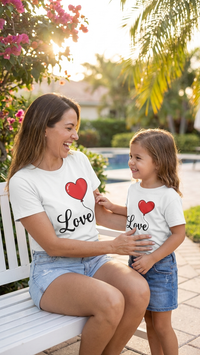
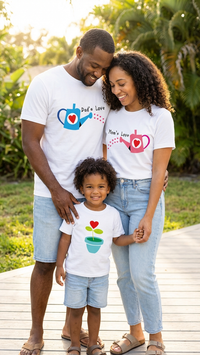

Shopping matching outfits gets easier when you treat sizing like a plan instead of a guess. The biggest mistake families make is assuming everyone should order the same way just because the print matches. In reality, mom's fit needs, kids' growth room, and dad's preferred ease can all be different. The best approach is to start with measurements, compare each item to the product page details, and shop one person at a time inside Matching Outfits.
If you are between sizes or ordering for a trip, photo session, or holiday, it is also worth reviewing FAQs before checkout so you have the store's support and policy details in one place.
Start with the right measurements
Before adding anything to cart, measure the body points that affect fit the most. For women, that is usually bust, waist, hip, and dress length. For men, chest, waist, shoulder width, and inseam matter most. For kids, height and weight are often more useful than age alone because matching sets can vary a lot from one cut to another.
Adult women's sizing: fit the most structured area first
For mommy-and-me dresses, tops, and coordinated sets, start with the area that has the least flexibility. If the item is a woven dress, that is usually the bust. If it is a waistband-driven set, that may be the waist or hip. Women should usually buy true to size when the product description shows relaxed silhouettes, stretch fabric, or roomy pajama-style fits. Size up when the piece looks more fitted, when you want extra length, or when you are between measurements and need comfort for all-day wear.
Kids sizing: toddler through teen
For children, age labels are a starting point, not the final decision. A toddler who is tall for age may need the next size up even if the age number sounds right. Older kids and preteens often fit best by height first, then weight, then the garment width if the product page includes it.
True to size usually works best for pajamas, softer tees, and easy everyday sets. Sizing up makes more sense for sweaters, seasonal outfits you want to wear for a longer window, or any set you expect to layer. For special-event looks, do not size up too aggressively or the photo-ready shape can get lost.
Men's sizing for daddy-and-me outfits
Men's sizing usually comes down to how the shopper likes his tops to fit. If dad prefers a standard tee or shirt fit, true to size is usually the safest move. If he is broad in the shoulders, between sizes, or prefers a looser vacation fit, size up. When in doubt, compare the chest width of a favorite shirt at home to the product page measurements rather than relying only on S, M, L, or XL labels.
A simple size chart recommendation
The easiest size chart for matching family products is one that separates shoppers by group and shows the measurement that matters most:
| Shopper | Start with | Recommended size view |
|---|---|---|
| Women's items | Bust, waist, hip | S-2XL with garment length notes |
| Kids and toddlers | Height, weight, age | 2T through teen sizes or age bands |
| Men's items | Chest, waist, shoulder | M-3XL with relaxed or fitted notes |
When to size up versus stay true to size
- Stay true to size for cotton tees, soft pajamas, and relaxed matching basics.
- Size up when the cut looks fitted, when the fabric has less stretch, or when someone is clearly between sizes.
- Size up for kids if you want more than one season of wear, but keep event outfits closer to the chart for cleaner photos.
- Prioritize comfort over a tighter fit because coordinated outfits only work when everyone is willing to wear them.
The best final step is to build the cart slowly, checking each family member against the product page rather than treating the whole set as one sizing decision. Start with Matching Outfits, then use FAQs if you need one more confidence check before ordering.


